
Reece Coppinger, 2026 PharmD Candidate, University of Washington
When Healthcare Was Unavailable, Pharmacies Stepped Up
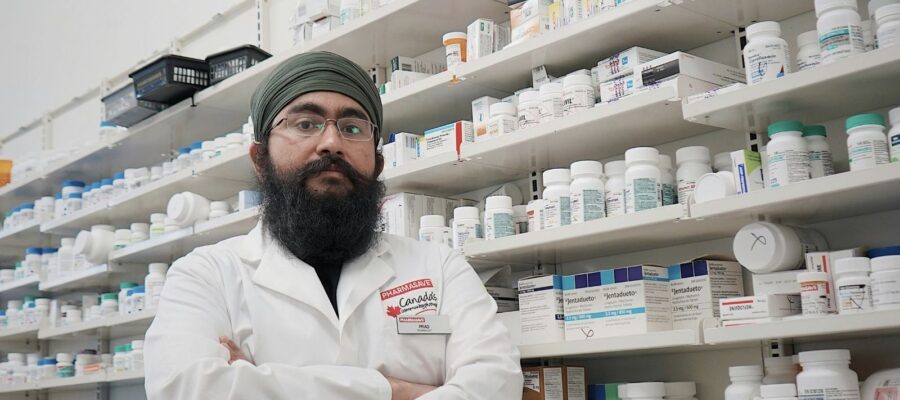
When hospitals were overwhelmed and doctors’ offices closed their doors, people turned somewhere they always could: their local pharmacy. What happened next quietly reshaped the future of healthcare. Pharmacists didn’t just keep the system running, they stepped forward, adapted, and delivered care in ways the public had never fully seen before.
For many patients, the pharmacy became the front line.
The Pharmacy Became the Front Line
At the height of the COVID-19 pandemic, access to traditional healthcare settings became limited almost overnight. Clinics reduced hours or shifted to telehealth. Hospitals focused on critically ill patients. For everyday concerns, questions about symptoms, medications, testing, and prevention, patients needed somewhere to go.
Community pharmacies rapidly transformed into access points for care. Pharmacists began offering COVID testing, administering vaccines at an unprecedented scale, and providing real-time education to patients navigating a constant stream of new and often confusing information. They answered questions about symptoms, medication interactions, quarantine guidelines, and evolving treatment recommendations, all while continuing to safely dispense medications.
For a lot of patients, this was their first experience seeing pharmacists as more than the person behind the counter.
From Behind the Counter to Center Stage
The reality is, pharmacists had always been doing this level of clinical thinking. Every prescription filled requires careful review, including checking for drug interactions, appropriate dosing, allergies, and therapeutic effectiveness. However, much of that work happens behind the scenes, largely invisible to the public. COVID pulled that work into the spotlight.
Patients began to recognize something healthcare professionals have long known: pharmacists are highly trained clinicians who are capable of far more than dispensing medications. They are medication experts, accessible providers, and, in many cases, the most frequently seen member of a patient’s healthcare team.
This shift in perception didn’t happen because of marketing campaigns or policy changes. It happened because patients experienced it firsthand, and once that perception changes, it’s hard to reverse.
The Momentum Isn’t Slowing Down
Today, that momentum is pushing the profession forward. Across the country, pharmacists are gaining expanded authority to provide care in new ways. Many states now allow pharmacists to prescribe certain medications, from birth control and smoking cessation therapies to treatments for common conditions like strep throat or urinary tract infections. Pharmacists are increasingly involved in managing chronic diseases such as diabetes, hypertension, and asthma, working directly with patients to adjust medications, monitor progress, and improve outcomes.
This isn’t a temporary shift. It’s the beginning of a new model.
The Next 5 – 10 Years of Pharmacy
Over the next five to ten years, the role of the pharmacist is expected to continue expanding. Independent pharmacies, in particular, are uniquely positioned to lead this transformation. Without the constraints of large corporate systems, they can tailor services to meet the specific needs of their communities.
That could mean offering point-of-care testing for common illnesses, providing same-day treatment for minor conditions, or developing ongoing relationships with patients to manage chronic diseases. It could mean pharmacists working alongside physicians and other providers as integrated members of a care team, sharing information and coordinating treatment in real time.
What the Pharmacy of the Future Looks Like
It also means rethinking what it feels like to walk into a pharmacy.
Imagine a patient who doesn’t just stop in to pick up a prescription, but to check in with someone who knows their health history, understands their medications, and is actively helping them stay well. Someone who notices when something has changed, asks the right questions, and helps guide what comes next.
That’s not a distant vision. It’s already starting to take shape.
Pharmacies are becoming healthcare destinations, places where patients can receive timely, personalized care without the barriers that often come with traditional healthcare settings. No long waits. No complicated scheduling. Just accessible, trusted support when it’s needed most.
Why This Matters for Communities
And for communities with limited access to primary care, this transformation is especially important. Pharmacies are often one of the most accessible healthcare resources available, particularly in rural or underserved areas. Expanding the role of pharmacists doesn’t just improve convenience, it has the potential to significantly improve public health outcomes.
Of course, realizing this future will require continued support. Policies must evolve to recognize pharmacists as providers and ensure they are reimbursed for the clinical services they deliver. Healthcare systems must continue to integrate pharmacists into care teams. And perhaps most importantly, patients must begin to see their pharmacist differently, because the opportunity is already there.
The Future Is Already Here
The pandemic didn’t create the clinical expertise pharmacists bring to healthcare; it revealed it. It showed what’s possible when accessibility meets expertise, and when patients are given a new way to engage with their care.
Now, the question is what happens next.
Will communities embrace pharmacies as healthcare hubs? Will policymakers continue to expand access and authority? Will patients begin to view their pharmacist not just as a dispenser of medications, but as a trusted healthcare provider?
The transformation is already underway. The future of pharmacy isn’t something that’s coming someday, it’s something patients are beginning to experience right now. All that’s left is to lean into it.